
Thailand’s Angliru? Let Me Introduce You to Doi Ang Khang.
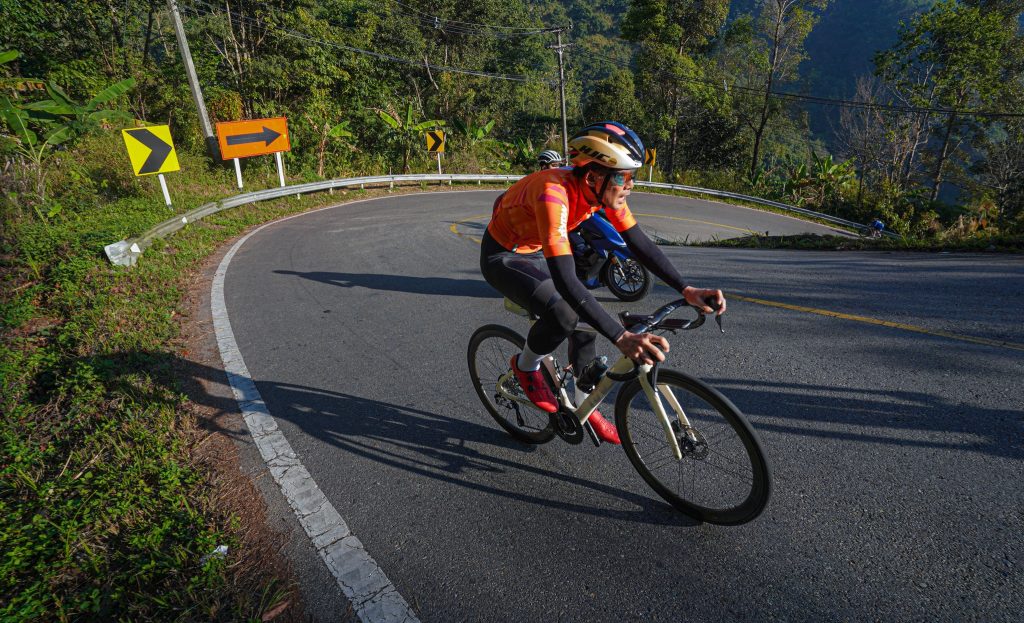
The WhatsApp group was buzzing. It was the queen stage of the 2025 Vuelta a España, and the peloton was about to hit the final climb: the mythical Alto de l’Angliru. My cycling friends back in Singapore were following the action live, their chat filled with screenshots of the Angliru’s brutal profile—gradients hitting 15%, 20%, even 25%.
This is insane,” one message read. “There’s nothing like this in our part of the world.” From my base here in Thailand, I smiled and typed a reply that I knew would stir the pot: “We have climbs like that here. They’re a dime a dozen if you know where to look.” The response was immediate skepticism. “No way. You’re bullshitting. Name one.”
My answer was immediate and unequivocal: Doi Ang Khang.
For those who have tested themselves on its slopes, the name is spoken with a mixture of reverence and fear. It is, without a doubt, Thailand’s answer to the great European “super climbs.”
Angliru vs. Ang Khang
Before we break down the ride, let’s look at the numbers. While no two climbs are identical, the sheer brutality of Doi Ang Khang (from the Fang side, Route 1249) puts it in the same conversation as its Spanish cousin.
- Alto de l’Angliru:
- Length: 12.9 km
- Elevation Gain: 1,266m
- Average Gradient: 9.7%
- Max Gradient: ~25%
- Doi Ang Khang (from Fang):
- Length: ~12.7 km to the military base
- Elevation Gain: ~1,210m
- Average Gradient: ~9.6%
- Max Gradient: ~30% on the steepest ramps
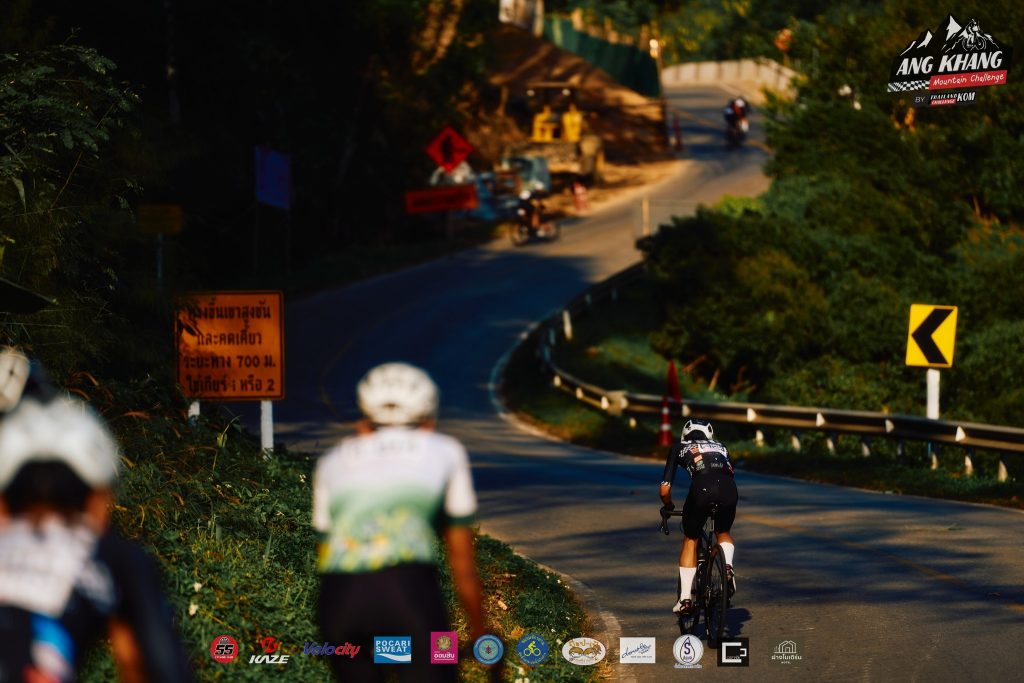
The verdict? While the Angliru is slightly steeper on average, Doi Ang Khang is just as savage in its steepest sections with even crazier ramps. The challenge is absolutely comparable.
The Ride: A Guide to Conquering the King Climb
The Approach: The Siren’s Song
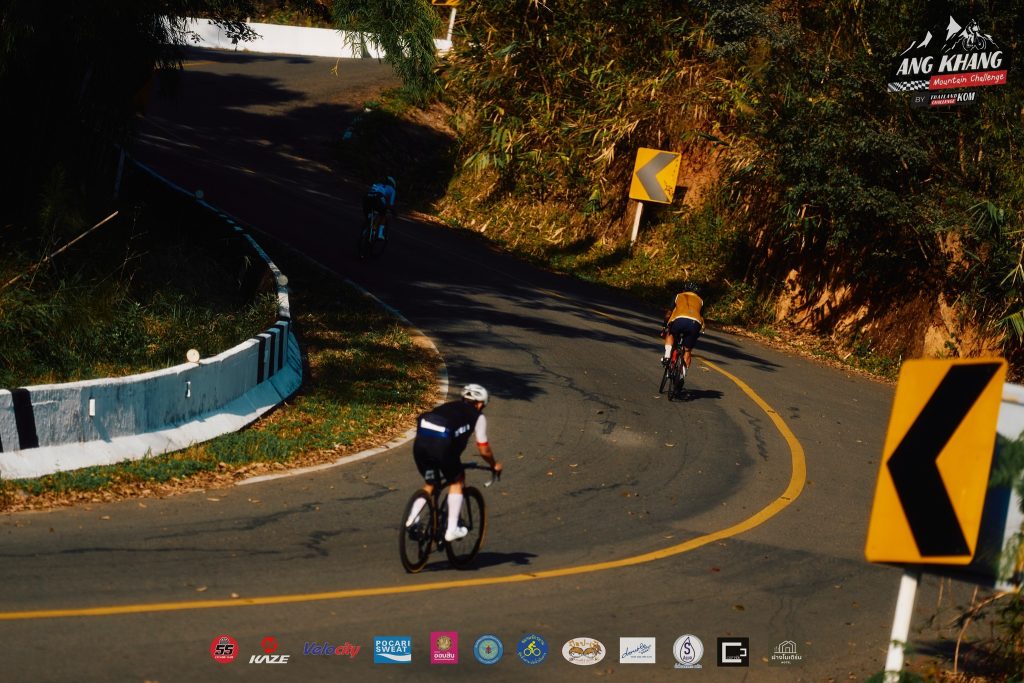
The climb begins just outside the town of Fang, winding gently through the village at the foot of the mountain. The road is wide, the gradient is manageable, and it’s dangerously easy to think, “This isn’t so bad.” This is a trap. Conserve your energy, spin your legs, and ignore the temptation to push. The real climb hasn’t even begun.
The First Wall: The Shock
Suddenly, the pleasant warm-up is over. The road narrows and rears up, greeting you with an immediate and unforgiving 15% gradient. This isn’t a ramp; it’s a wall that barely eases for the next three kilometers. If you went too hard on the approach, this is where you’ll pay the price. Lactic acid and a 15% grade are a terrible combination. This section demands your smallest gear, your deepest resolve, and a steady, focused rhythm to simply survive.

The Midway Respite: Time to Recover
After the first savage wall, the gradient eases slightly, allowing you a moment to catch your breath. But “easy” on Ang Khang is a relative term—the gradient is still in the high single digits. The air grows cooler, and the views begin to open up, not that you’ll be focused on them. Every ounce of concentration will be on recovery, on getting your heart rate down, and on mentally preparing for what you know is still to come.
The Final Wall: The Red Zone
Just like the Angliru, the final act is the most painful. The last five kilometers are a brutal encore, with the gradient averaging close to 15%. By now, you’re deep in the red, and every pedal stroke feels like an eternity. This is a pure test of grit. Your legs are screaming, but the thought of the panoramic view from the summit is the only thing pulling you forward. Grit your teeth and push on. The reward is worth it.
Siam Velo Pro-Tips
- Gearing is Everything: Do not attempt this climb without a compact crankset and at least a 34-tooth cassette. Go lower if you can. This is not a climb for ego.
- Pacing: Go out easy. Absurdly easy. The race is won or lost in the savage first and last sections. Anyone who goes too hard before the climb will pay the price dearly.
- The Other Side: There is an “easier” (but still very challenging) way up from the north. The classic challenge, however, is the ascent from Fang.
- The Descent: The descent is technical and can be treacherous. Always control your speed and be aware of potential gravel or wet patches in the shaded corners.
The Ultimate Test: The Doi Ang Khang Challenge
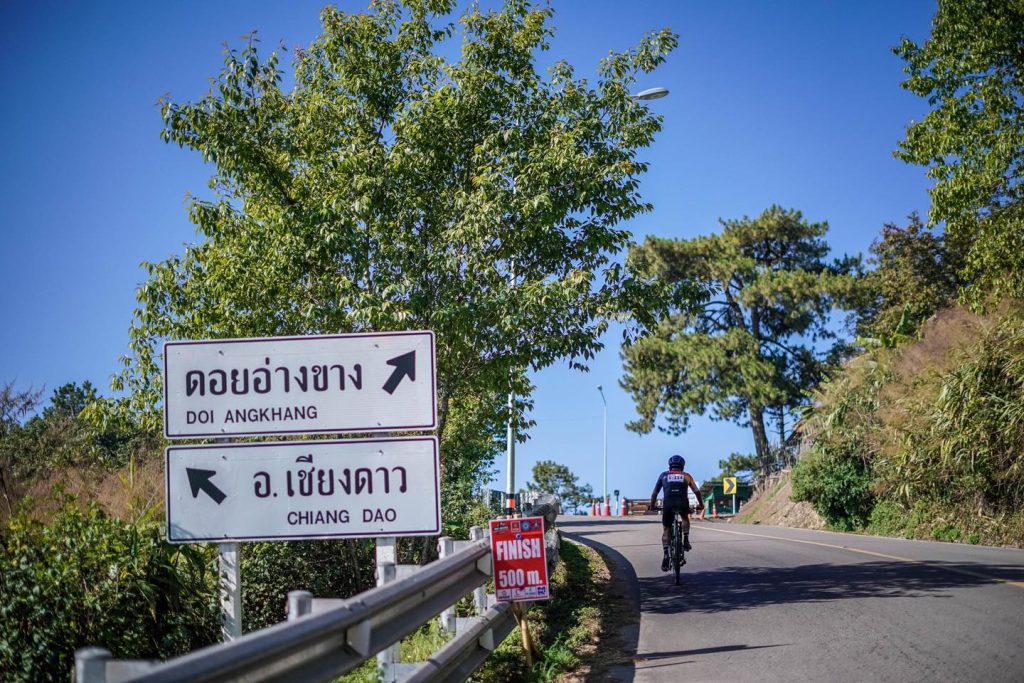
If you want to test yourself against the clock alongside hundreds of other passionate cyclists, the King of Mountain Doi Angkhang Challenge is held every year in February. It’s one of Thailand’s more prestigious and challenging climbing races, attracting riders from all over Southeast Asia.
Conquer It With Us
So, to my friends in Singapore and cyclists everywhere: yes, a challenge worthy of the Vuelta exists right here in Thailand.
Doi Ang Khang is a true bucket-list climb, and we can help you conquer it. It’s a cornerstone of our Bespoke Expeditions, where we can craft a trip around this epic challenge. And for those who want to race, we offer a full Race-Ready Support package for the February event, handling all the logistics so you can focus on your event.